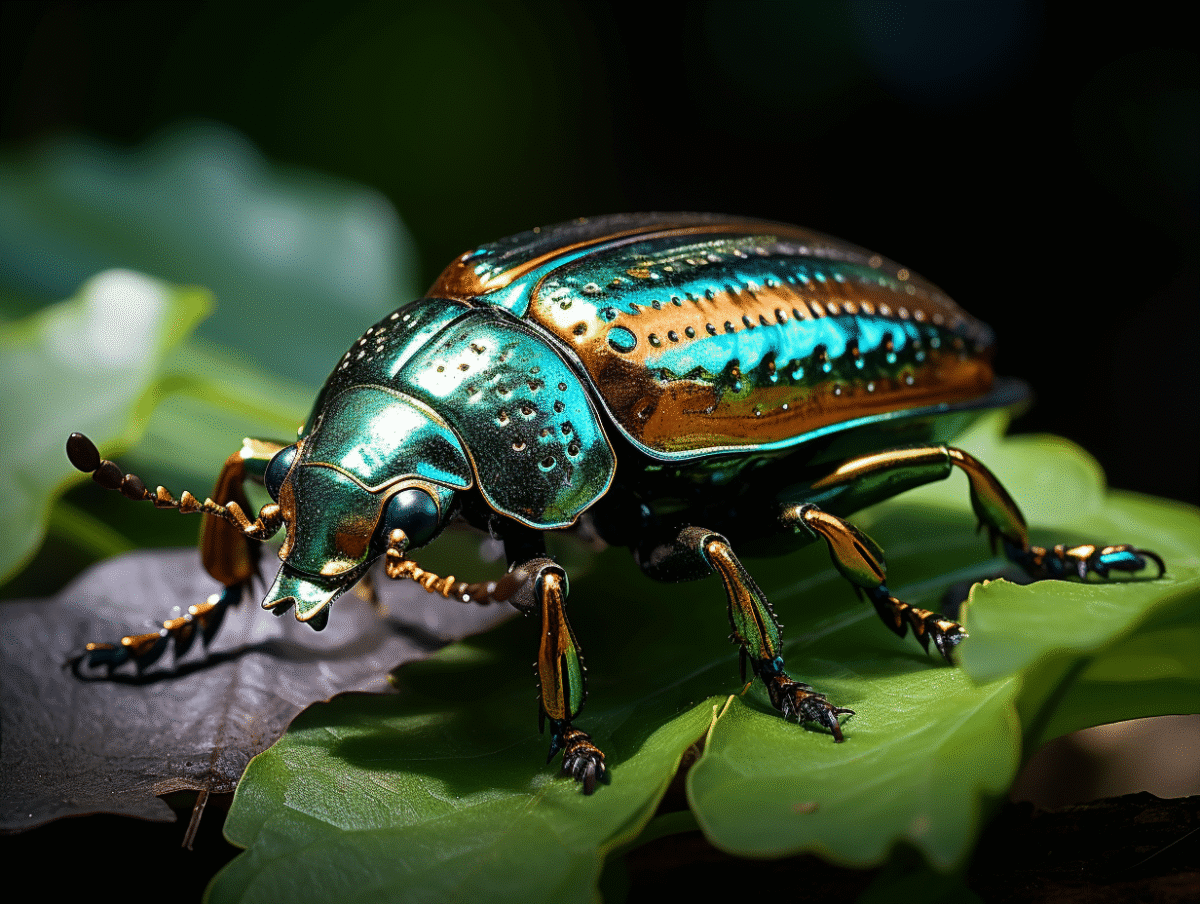
Insects, often perceived as insignificant or harmful, actually play major roles in European ecosystems. These creatures, which can escape our attention during walks in the forest or in our gardens, hold exceptional secrets of survival and adaptation. From the architect beetle that meticulously shapes its habitat to the butterflies with hypnotic patterns dancing in the meadows, these living beings are the discreet yet essential actors of biodiversity. Exploring the complex world of these organisms offers a new perspective on the nature that surrounds us and enriches our understanding of the incredible diversity of life on our continent.
The Hidden Jewels of European Entomology
European entomology reveals a universe of biodiversity that is unsuspected. Entomologists, like explorers of an infinite microcosm, scrutinize the soil, the air, the fauna, and flora in search of these insect species that, although largely unknown, shape the contours of our environment. With a million described species and potentially millions more to discover, these insect specialists decipher the mysteries of a world as rich as it is threatened. The 80% decline in the number of insects in Europe over three decades serves as a warning: the ecological phenomenon of insect population collapse is a reality that calls for our attention.
The European hornet, often feared for its imposing size and threatening appearance, perfectly illustrates the misunderstanding and fascination that these creatures can evoke. However, far from the image of a pest that is often attributed to it, this flying giant actively participates in regulating other insect populations and contributes to pollination. Its presence is indicative of a healthy ecosystem, and its disappearance would be detrimental to the natural balance we strive so hard to preserve.
In the face of this alarming decline, the preservation of biodiversity becomes a scientific and ethical quest. Insect species, sometimes endemic and often unique, represent a genetic, ecological, and even cultural heritage. Each extinct species is an irreversible loss for our natural heritage. Entomologists are therefore fighting against time and ignorance to study these hidden jewels, hoping to reveal their splendor before it is too late.
Unique Behaviors and Adaptations
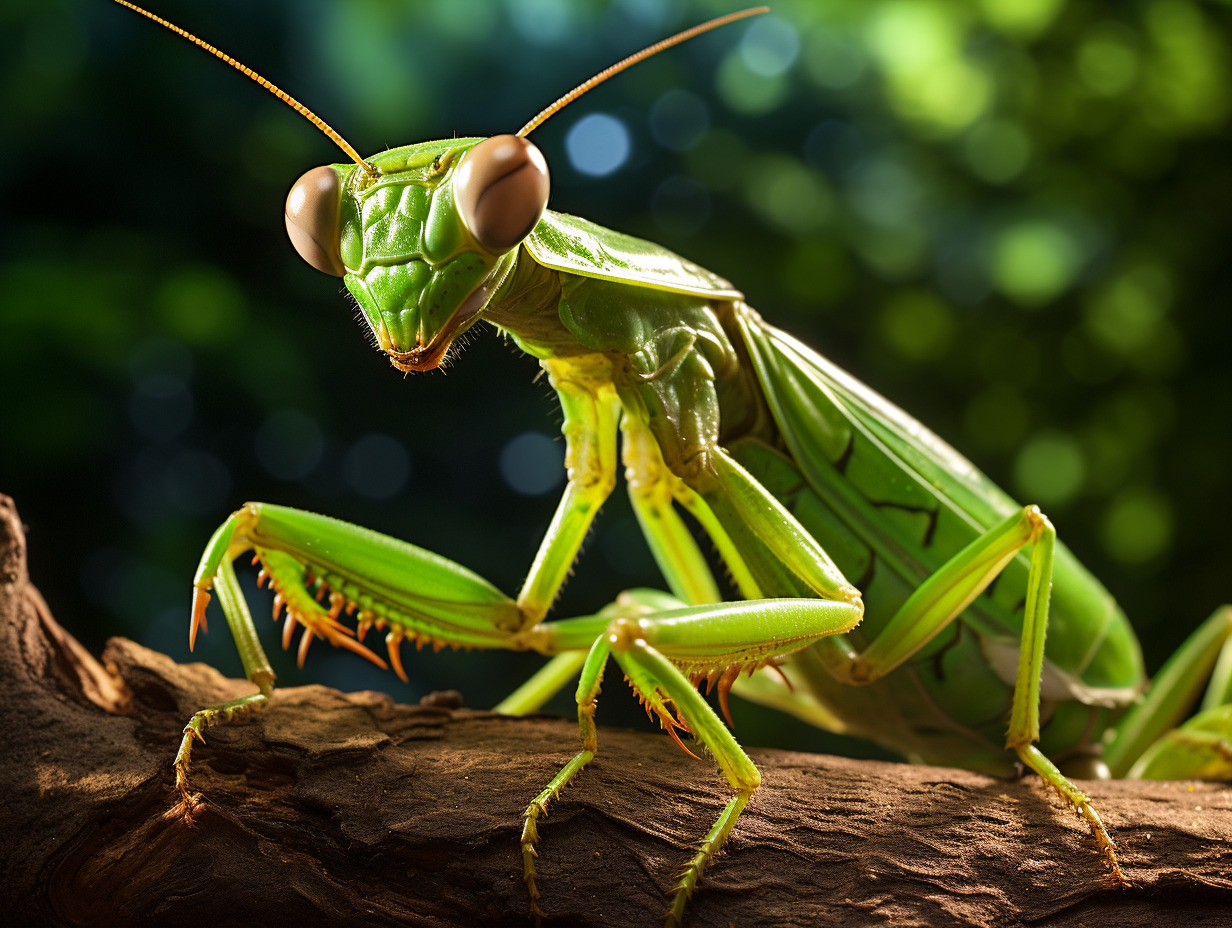
In the realm of six legs, survival strategies and behaviors adopted by insects strike the mind and testify to the complexity of evolution. Take pollination: essential for the reproduction of 80% of wild plants, it largely relies on the incessant ballet of insects from one flower to another. This ecological service, although often invisible to our eyes, is a fundamental pillar of our floral diversity and, by extension, of our food security.
Among the actors of this nocturnal world, bioluminescent insects fascinate with their ability to emit light. This bioluminescence, far from being a mere curiosity, serves vital functions such as attracting prey or communication between individuals. It illustrates nature’s ingenuity in exploiting the laws of physics for survival and the perpetuation of species.
Venomous insects evoke fear and admiration. Their venom, often perceived as a threat, is actually a sophisticated tool for self-defense and hunting. These insects, like bees or wasps, possess a chemical arsenal that allows them to neutralize their prey or deter their predators. These adaptations, resulting from millions of years of evolution, testify to the unsuspected richness of insects in Europe and the necessity to preserve their habitat in the face of threats such as neonicotinoids, powerful pesticides suspected of contributing to their decline.