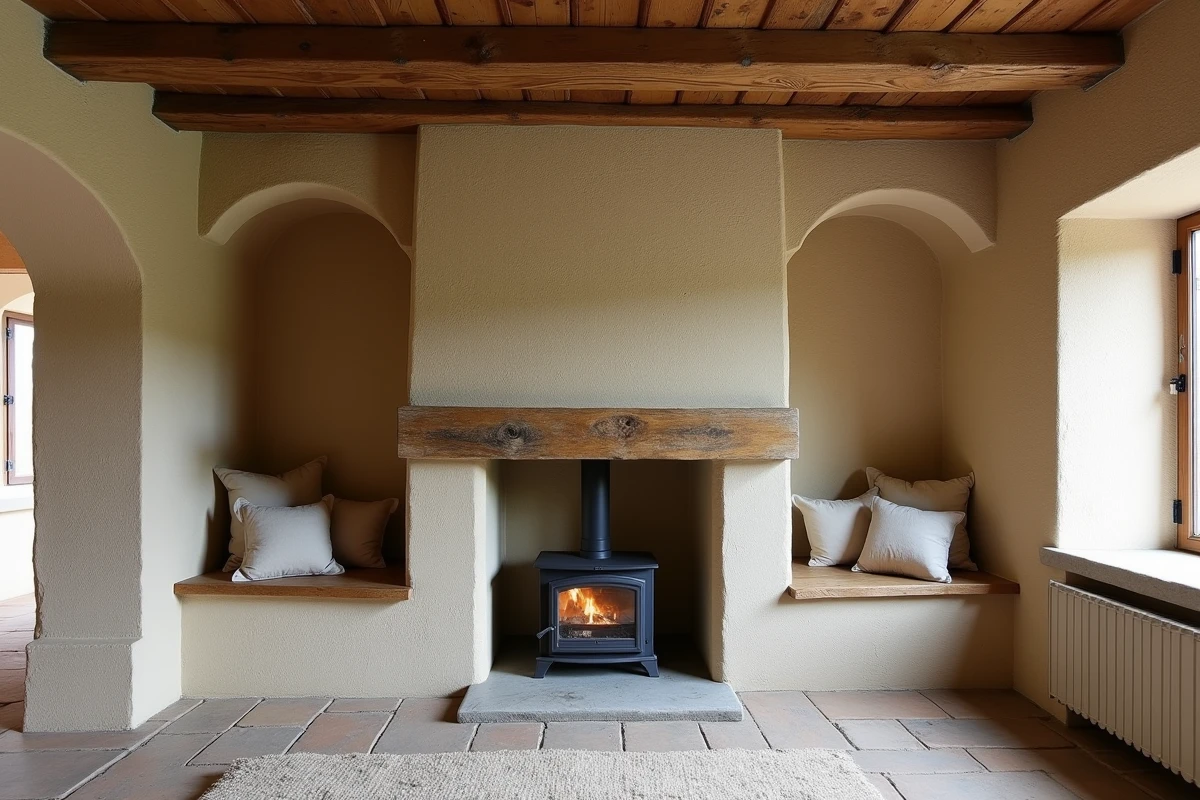
The cantou remains one of the most defining architectural elements of old houses in the south and center of France. Transforming it without altering its essence requires mastering both the technical constraints of the flue, the choice of the hearth, and the decorative finishes. Here are six concrete interventions to make it a functional and warm space.
1. Replacing the open hearth with a Flamme Verte 7-star insert
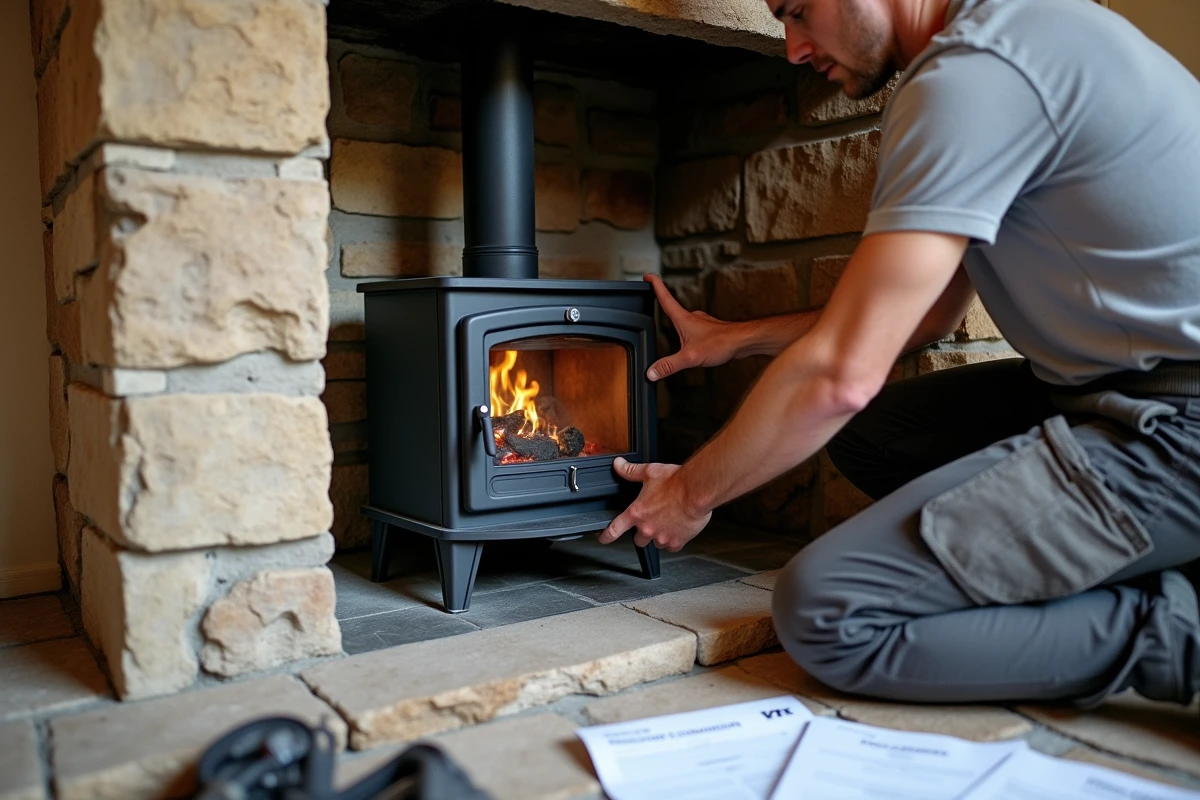
A traditional cantou operates with an open hearth, which has a very low thermal efficiency and high emissions of fine particles indoors. Installing a Flamme Verte 7-star insert radically changes the situation: efficiency increases, the panoramic glass maintains the spectacle of the flames, and the draft is regulated.
The DTU 24.1 imposes strict safety distances between the hearth and any combustible material (beams, wooden lintel, shelf). We recommend having a flue diagnostic performed by an RGE installer before ordering any insert, as stainless steel lining is almost always necessary in old stone or brick flues.
This replacement may qualify for MaPrimeRénov’ subject to income conditions, provided that the device has an energy label of A+ and that the installer is RGE certified. Some local authorities add a specific bonus for the removal of a polluting open hearth.
2. Lining and bringing the flue into compliance
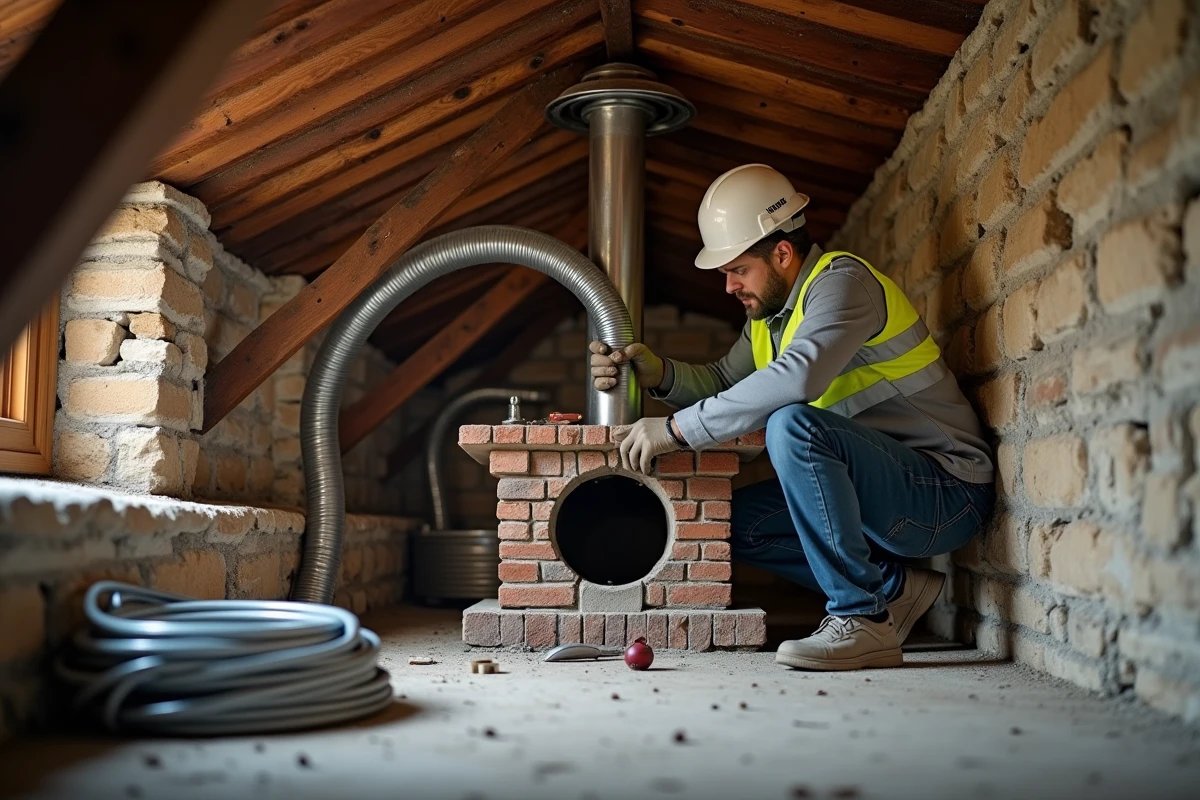
The flue is the critical point of an old cantou. Period masonry often shows cracks, thick soot deposits, or irregular sections incompatible with a modern insert. Lining with rigid or flexible stainless steel allows for complete sealing and consistent draft.
Biannual mechanical sweeping is mandatory in several departments for open hearths used as primary heating. With a lined flue, maintenance remains the same, but the intervention is quicker and the risk of chimney fire is significantly reduced.
We observe that many homeowners neglect the safety distance plate at the floor passage. This is, however, a systematic control point during the acceptance of work by the installer. When looking to modernize and arrange a cantou, the flue must be treated as a priority, before any decorative considerations.
3. Natural stone cladding or reclaimed facing
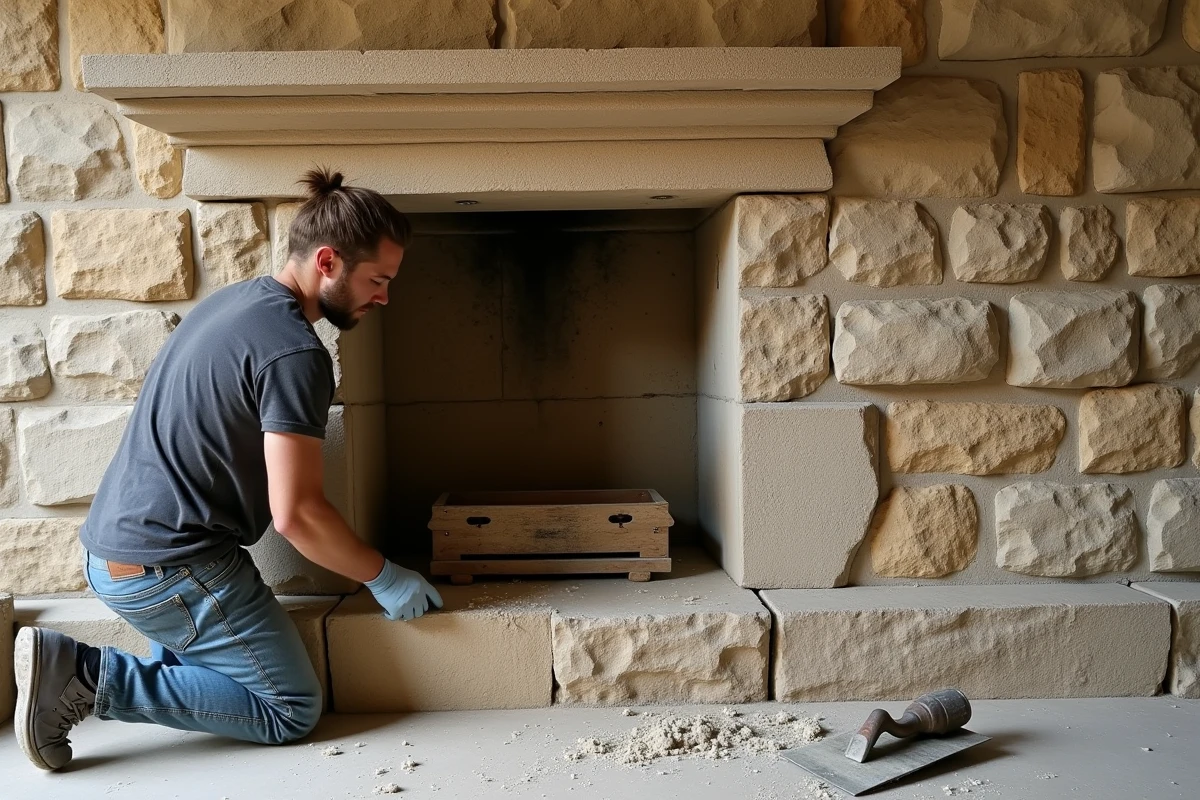
The finish of the cantou determines its integration into the room. A cement coating applied in the 1970s often alters the original masonry. Stripping it to reveal the raw stone, then repointing with lime, restores the cantou’s character without overwhelming the living room.
Natural stone facing (limestone, local sandstone) works well if the wall thickness allows. On a thin wall, a reconstituted stone veneer lightens the load. In both cases, the thermal resistance of the chosen material must be verified against the safety distance imposed by the DTU 24.1.
The wood option (solid oak shelf, exposed lintel) remains very popular. It requires fire treatment or sufficient spacing from the hearth, especially if the insert radiates strongly at the front.
4. Recessed lighting to enhance the cantou niche
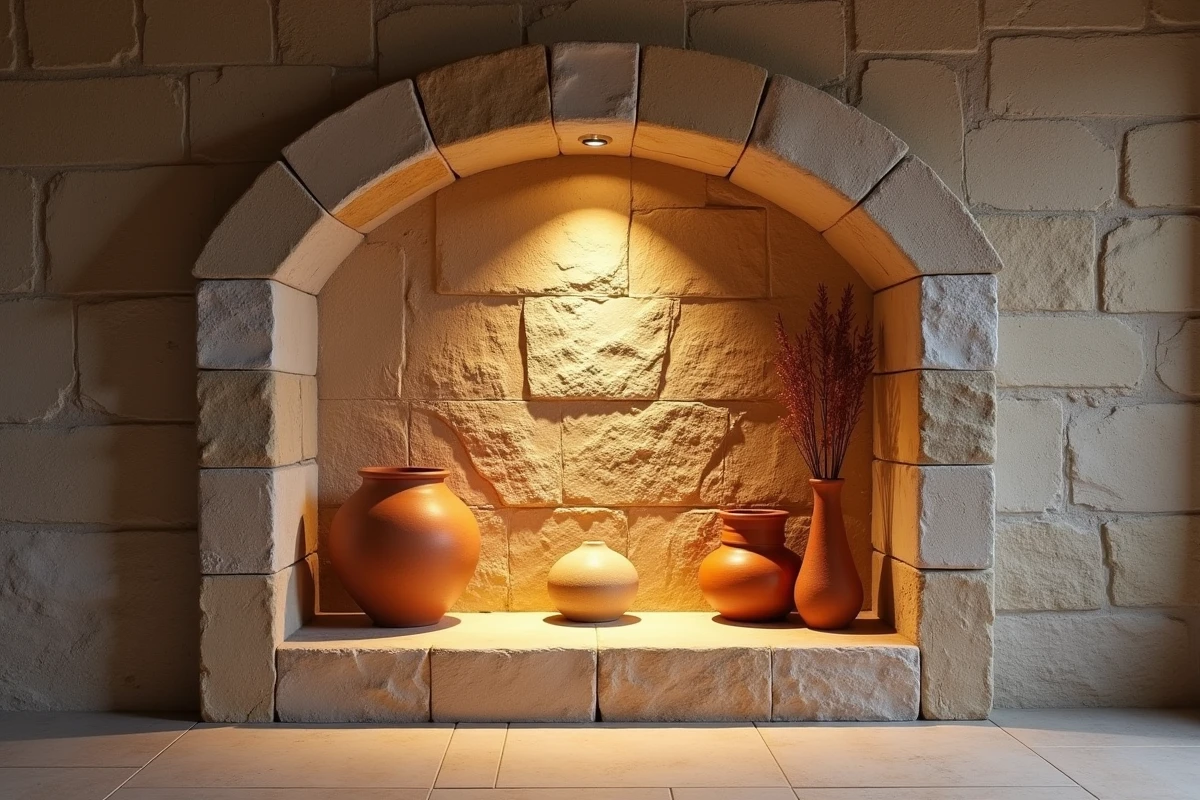
An unlit cantou becomes a dark hole as soon as the fire is out. Recessing low-voltage LED spots into the vault or under the shelf transforms the niche into a permanent decorative element. The ideal color temperature is around 2,700 K to maintain a warm ambiance.
LED strips placed recessed from the lintel create a halo effect on the stone without a visible source. This type of installation requires a suitable transformer and a sufficient protection rating if the cantou is still used as a hearth (heat projections).
- Adjustable recessed spots to highlight the texture of the stone
- LED strip recessed from the lintel for soft indirect lighting
- Dimming switch to transition from ambient light to functional lighting
5. Fitting a bench or integrated storage in the cantou
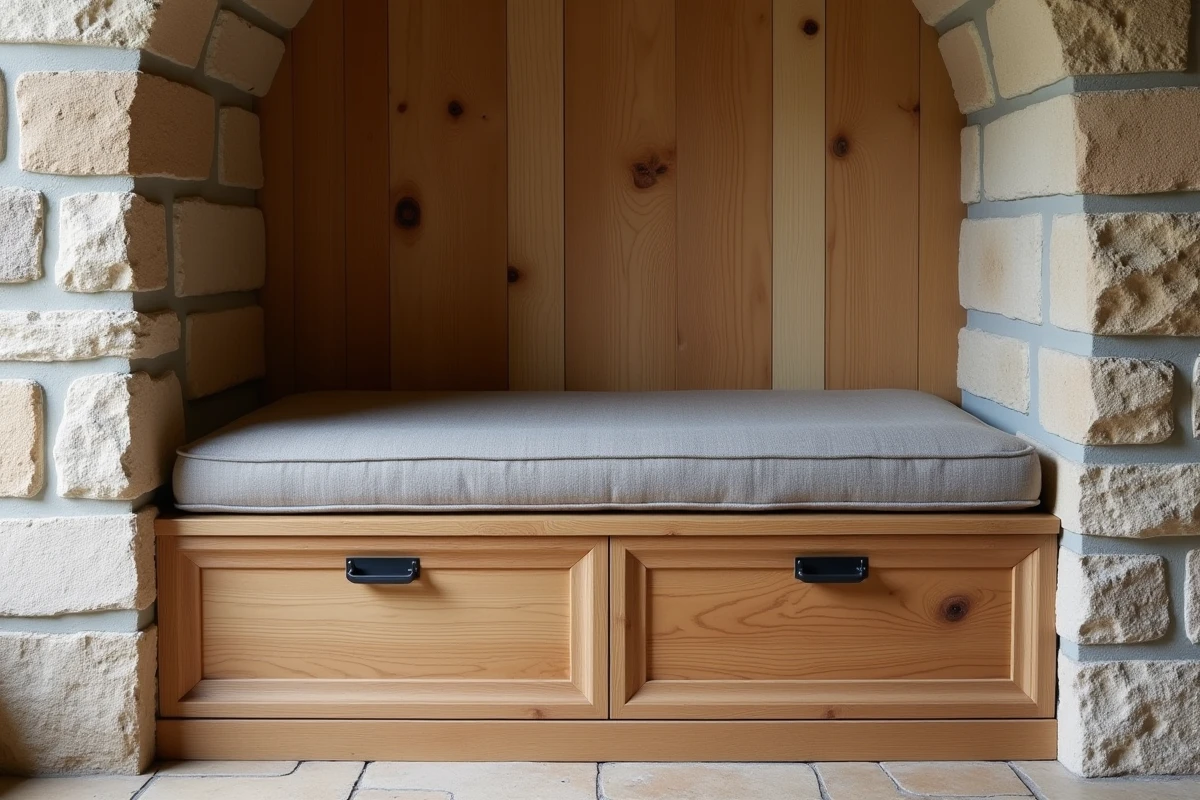
The widest cantous (often more than one meter fifty in opening) offer usable volume beyond just the hearth. Integrating a masonry bench or a solid wood chest in the side section creates a reading nook or a discreet storage space for firewood.
In disused cantous (without a functional flue), the entire niche can accommodate a custom piece of furniture: built-in bookshelf, niche for a standalone pellet stove, or simple seating with cushions. The choice depends on the available depth and the desired use.
We recommend treating the inside of the niche against residual moisture (lime plaster, no standard drywall) before installing any furniture, especially in homes where the cantou communicates with a buried wall.
6. Inserting a contemporary wood stove into the existing niche
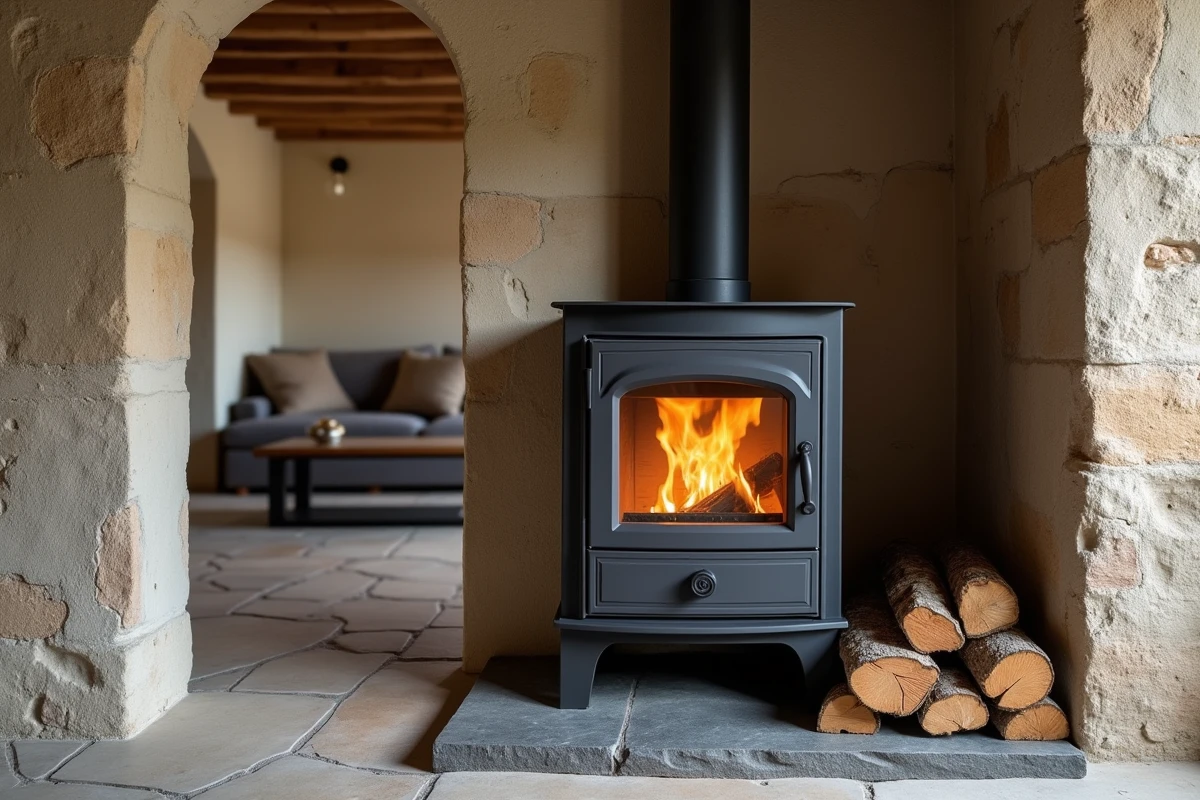
The wood stove placed in the cantou niche offers an alternative to the insert when the geometry of the hearth does not allow for embedding. A freestanding or pedestal unit fits into the opening, the flue connects to the existing lining, and the cantou retains its architectural framing function without heavy masonry work.
The choice of stove depends on the volume to be heated and the section of the flue. Compact models (width less than 50 cm) adapt to narrow cantous. Double combustion devices improve efficiency and reduce emissions.
- Check the compatibility between the stove’s flue outlet diameter and the flue lining
- Install a non-combustible floor plate if the cantou has a wooden floor
- Provide an external fresh air supply to avoid creating a negative pressure in the room
The cantou deserves more than just a coat of paint. Each intervention, from lining the flue to choosing the lighting, affects both safety and aesthetic results. Prioritizing the compliance of the hearth ensures a peaceful long-term use, and the finishes naturally follow once the technical aspects are settled.