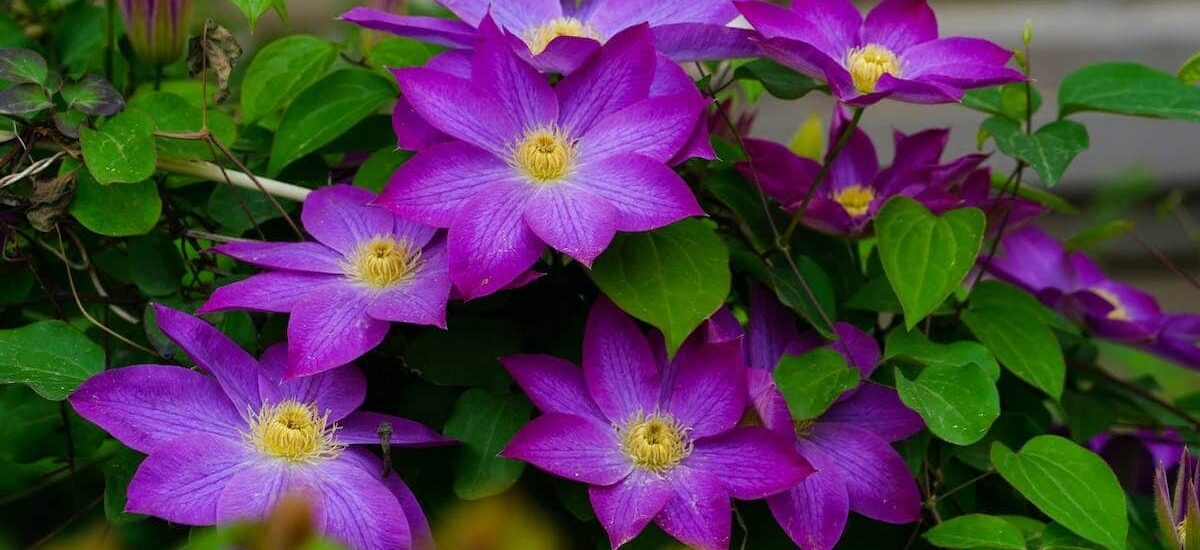
Horticulture, a hobby sought after by many green enthusiasts, requires precise knowledge to succeed. Among the multitude of possible plantings, the clematis, this climbing plant with vibrant flowers, stands out for its beauty. Growing this plant in a container may seem intimidating to some, but with the right guidelines, the task becomes achievable and rewarding. A series of practical tips will be presented to help gardeners successfully grow a clematis in a pot. The goal is to provide insights into the care needed for this plant, from pot selection to stem pruning.
Pot and Location: Choosing What Suits the Potted Clematis
The potted clematis requires meticulous care to thrive fully. The preparation of the ideal substrate is an essential step in this care. Start by choosing a quality potting soil, well-draining and rich in organic matter. A balanced mix of organic compost and garden soil will be perfect for your clematis.
Drainage is crucial when it comes to caring for the potted clematis. Ensure that the container has sufficient holes at the bottom to allow excess water to escape easily, thus avoiding soil saturation that could negatively affect the delicate roots.
The enrichment of the substrate with appropriate nutrients should not be overlooked either. Using a slow-release fertilizer or a granular formula specifically designed for potted plants can provide the roots with everything they need to support vigorous growth and beautiful blooming.
Like any perennial plant, the clematis also requires regular but moderate watering to avoid any risk of drying out or, conversely, excess water that could promote the development of fungal diseases.
Particular attention should also be paid to fertilization during the active growing season: using a liquid fertilizer rich in phosphorus (P) helps stimulate the formation of flower buds and enhance their coloration.
Regular visual inspections should be conducted to detect early any worrying signs such as premature yellowing of leaves or the unexpected appearance of harmful insects.
Last but not least in this aspect of ‘potted clematis care’, always remember to prune your plant at the beginning of spring before its vegetative start so that it produces more robust and flowering stems throughout its growing season.
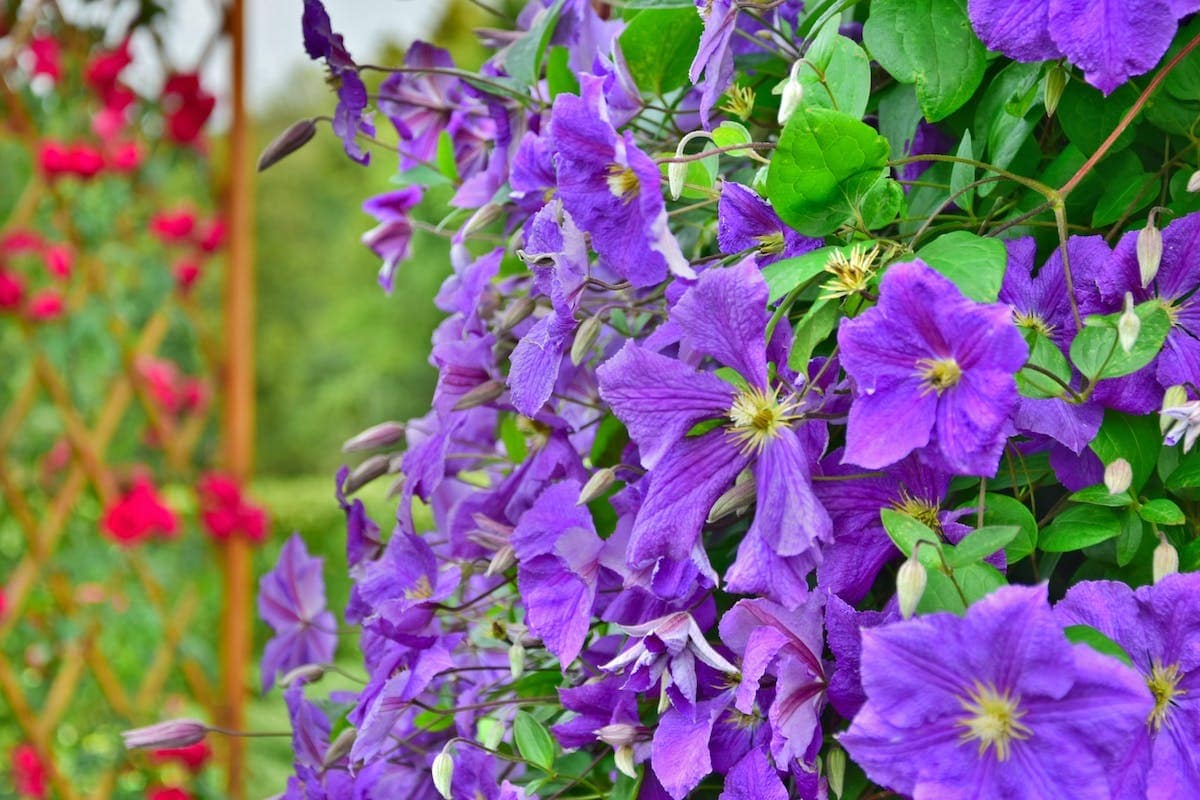
Ideal Substrate: Preparing the Perfect Soil for the Potted Clematis
During the planting itself, a few tips can help you succeed fully. Choose a large enough pot to allow the clematis roots to develop. Opt for a container of at least 40 cm in diameter and ensure it is equipped with drainage holes.
Before placing the plant, prepare the soil by mixing in well-decomposed compost to improve its structure and fertility. Then dig a hole suitable for the root size, ensuring that the collar is slightly elevated above the soil level.
Gently place the clematis in the hole, carefully spreading its roots. Then fill around the roots with your soil-compost mix while lightly packing it to avoid air pockets.
The clematis enjoys sunny situations but can also tolerate some partial shade. Therefore, choose the ideal location even before planting. Also, ensure to provide adequate support at this stage so that your plant can easily cling to it when it begins its vertical ascent.
Once planted, it is essential to water your clematis abundantly to encourage good recovery and optimal growth. Regularly maintain the moisture of the substrate without falling into excess that could cause problems for the roots.
Feel free to add mulch around the plant to maintain soil moisture and protect its roots from temperature fluctuations. An organic mulch such as pine bark or fallen leaves will work perfectly.
By following these tips, you will put all the chances on your side to successfully grow a potted clematis. Don’t hesitate to regularly observe your plant, care for it, and adjust your practices as necessary. With a little attention and love, you will be rewarded with a magnificent bloom that will brighten your outdoor space for many years.
Optimal Planting: Tips for Successful Potted Clematis
Caring for and providing appropriate watering for a potted clematis is essential to ensure its healthy and vigorous growth. Here are some practical tips to help you take care of your plant optimally.
It should be emphasized that the clematis needs regular watering, especially during hot and dry periods. Be careful not to overwater to avoid excessive water stagnation in the substrate, which could lead to problems such as root rot. The ideal watering frequency will depend on the type of soil, local climate, and the plant’s stage of development.
To better control soil moisture, you can use a moisture indicator. This simple yet effective tool will allow you to know when to water your clematis by checking the soil moisture level. It is also recommended to use mulch around the plant to retain moisture longer while reducing water needs.
Pruning and Support: Encouraging Growth of the Potted Clematis
When growing a clematis in a pot, it is important to stay vigilant and prevent common problems that may arise. Among these problems, insect attacks or fungal diseases are often encountered.
To avoid the ravages of insecticides, favor natural methods such as using insecticidal soap or resorting to natural predators like ladybugs. Also, be sure to regularly clean your plant to eliminate any risk of infestation.
As for fungal diseases, they are generally caused by excess moisture in the soil or on the leaves. To limit this problem, ensure that your pot has adequate drainage and avoid overwatering your clematis.
If you notice the appearance of brown spots on the leaves or a general decline of the plant, it is likely suffering from a fungal disease such as gray rot or powdery mildew. In this case, immediately remove all infected parts and treat with an appropriate fungicide.
It is important not to neglect the feeding of essential nutrients to ensure the health and vigor of your potted clematis. Use a fertilizer specially formulated for container plants to provide all the necessary elements for your plant’s proper development.
To prevent problems related to extreme weather conditions, it is recommended to protect your potted clematis during periods of intense frost or extreme heat. Move it to a more sheltered location and avoid sudden temperature fluctuations.
By following these simple yet effective tips, you will be able to avoid most of the common problems encountered with growing a clematis in a pot. Your plant will thus be more resilient and thriving, offering you magnificent blooms throughout the season.
Common Problems: Prevention and Treatment of Issues with the Potted Clematis
When growing a clematis in a pot, it is important to pay attention to its pruning and regular care. Pruning helps keep the plant compact and also promotes better air circulation, thus reducing the risks of fungal infections.
Pruning should be done in spring, before the new growth begins. Use clean and disinfected pruning shears to avoid spreading diseases. Remove dead or damaged branches as well as those that cross over to aerate the center of your clematis.
Once pruned, you can also provide support for your potted clematis so it can cling and climb easily. There are various options available on the market, such as wooden trellises or metal supports specifically designed for this climbing plant.
Regarding watering, it is important to maintain a balance between too little and too much water. Clematis prefer slightly moist but well-drained soil. Allow the surface of the soil to dry slightly between waterings to avoid excess moisture that could lead to root problems.
It is recommended to water abundantly when it is hot or during dry periods, but always ensure not to let water stagnate at the bottom of the pot. Mulching around the plant can also help retain soil moisture and protect the roots from excessive heat.
As for exposure, the clematis prefers a sunny or partially shaded position. Avoid areas where it would be exposed to strong winds as this could damage its fragile stems and compromise its growth.
Don’t forget to pay particular attention to the wintering of your potted clematis. During the cold season, move it to a cool place but sheltered from intense frost. Also, protect the container with mulch or an insulating cover to prevent the roots from freezing.
By following these practical tips, you will be able to successfully grow a clematis in a pot and admire its floral beauty throughout the year.