
The pregnancy period is a key moment where the future mother’s diet plays a crucial role not only for her own health but also for the optimal development of the baby. Certain eating habits can be detrimental during this delicate phase. You must recognize and avoid these common mistakes to preserve maternal and fetal well-being. Poor dietary choices or ignorance of potentially dangerous substances can lead to various complications. You should avoid common dietary pitfalls during pregnancy and provide recommendations for safely navigating through the months of gestation.
Dietary pitfalls to avoid for a healthy pregnancy
Nutrition during pregnancy requires special attention to avoid the risks of infections and complications. Listeria, a harmful bacterium for the fetus, often finds refuge in certain foods such as unpasteurized soft cheeses. Therefore, be cautious with these products and prioritize those clearly labeled as pasteurized.
Another invisible enemy of pregnancy is toxoplasmosis, an illness often transmitted through the consumption of raw or undercooked meat. Geek Medical emphasizes that even raw fish can be potential carriers. Desserts containing raw eggs, such as certain mousses or tiramisus, should also be excluded from your diet.
When it comes to beverages, vigilance is essential. Caffeine and theine should be consumed in moderation, while alcohol should be completely avoided. The question of non-alcoholic beer sparks debate, but the general consensus tends to recommend avoiding it as well, or at least limiting its consumption, as a precaution. Keep in mind that caution is the best ally for a serene pregnancy.
Good dietary practices to protect the baby’s health
Nutrition during pregnancy should be as safe as it is beneficial. Pregnant women are encouraged to prioritize a varied and balanced diet while being vigilant about the quality of the foods consumed. Omega-3 rich products, such as salmon, are certainly recommended, but their consumption should be limited due to the risk of toxin accumulation.
Experts also warn against foods that may disrupt the endocrine system. Soy, for example, contains phytoestrogens, and its intake should be moderate. Consider the advice of Anne-Laure Meunier, a dietitian-nutritionist, who advocates for a careful approach to nutrition during pregnancy, avoiding excessive consumption of soy-based products.
Dairy products should not be excluded, as long as they are safe for both mother and child. Pasteurized cheeses are recommended, but always with caution. Be sure to check the labeling of these products to ensure their pasteurization and avoid those made from raw milk.
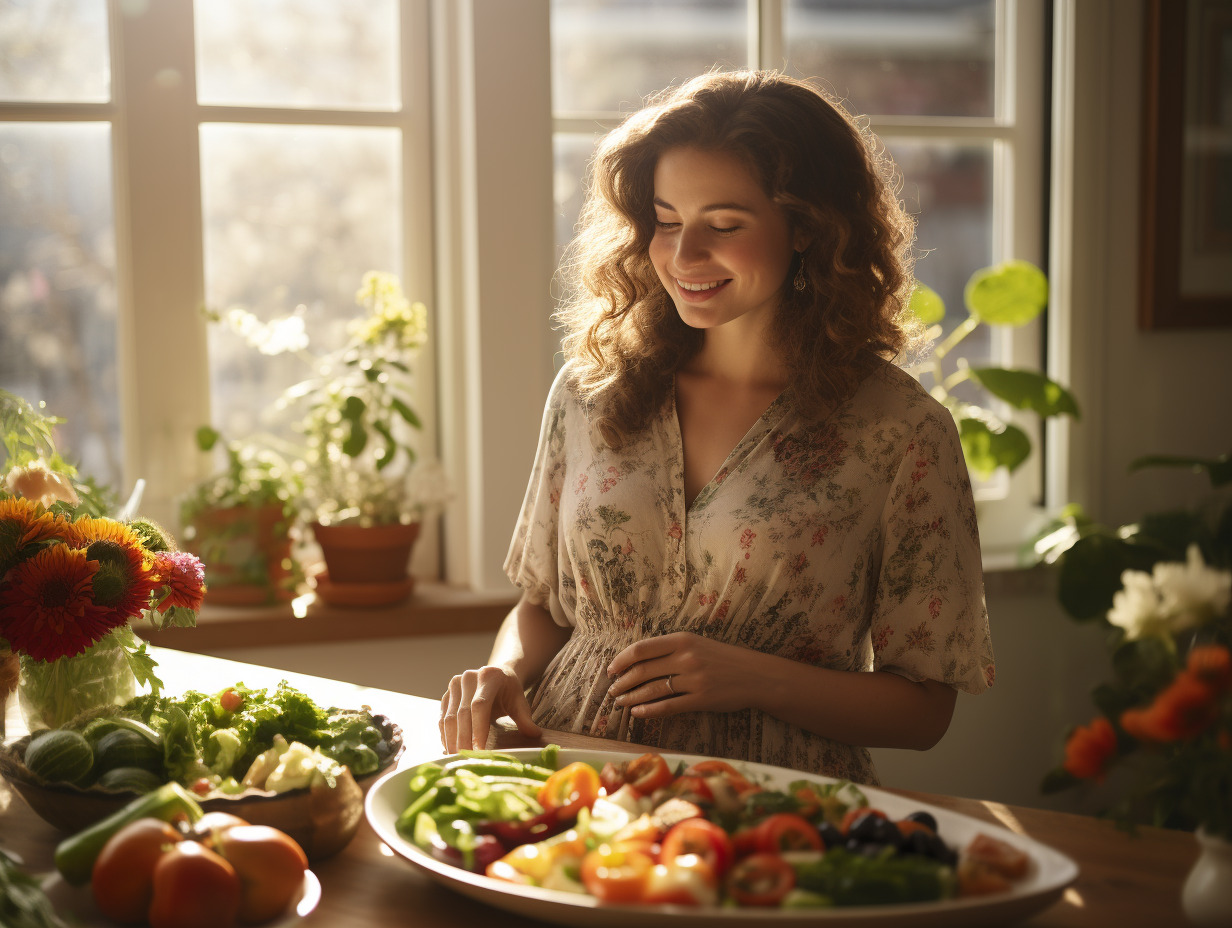
Beyond avoiding risky foods, incorporate fresh fruits and vegetables, quality protein sources, and whole grains into your diet. These dietary habits contribute to creating an optimal environment for your baby’s development while maintaining your own nutritional balance. Follow these recommendations, adjust them to your individual needs, and adhere to the advice of your healthcare professional for a pregnancy journey filled with serenity and health.