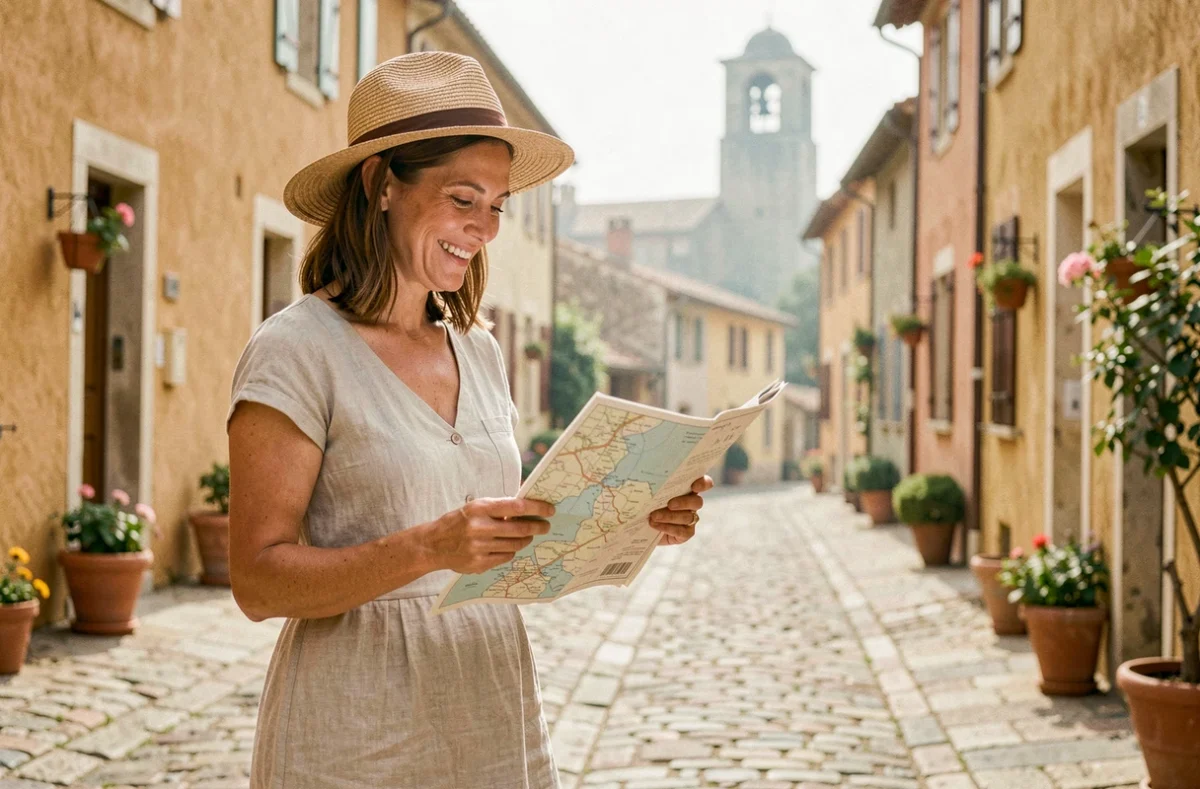
Metropolitan France concentrates a diversity of landscapes, climates, and heritage that allows for radically different stays from one region to another. Choosing a holiday destination in France first requires understanding how recent climatic conditions, booking trends, and visitor constraints are reshaping the map of stays.
Heatwave and shift of flows to Brittany, Normandy, and Hauts-de-France
Hot summers are changing the habits of French travelers. The report on summer 2026 published by Mes Infos on September 18, 2026, documents an increased interest in Brittany, Normandy, and Hauts-de-France, while some areas in the Southeast suffer from extreme temperatures and fire risks.
This phenomenon has a name in the industry: coolcation, meaning the deliberate choice of cooler destinations. The Opal Coast, the Breton coastline, or the Norman bocage offer milder temperatures, sufficient sunshine for outdoor activities, and less tourist saturation than the Côte d’Azur in the middle of August.
For families with children, these regions combine supervised beaches, accessible coastal paths, and a varied range of accommodations (camping, guesthouses, vacation rentals). The resources available on guidedesvacances.fr allow for comparing options by region and type of stay.
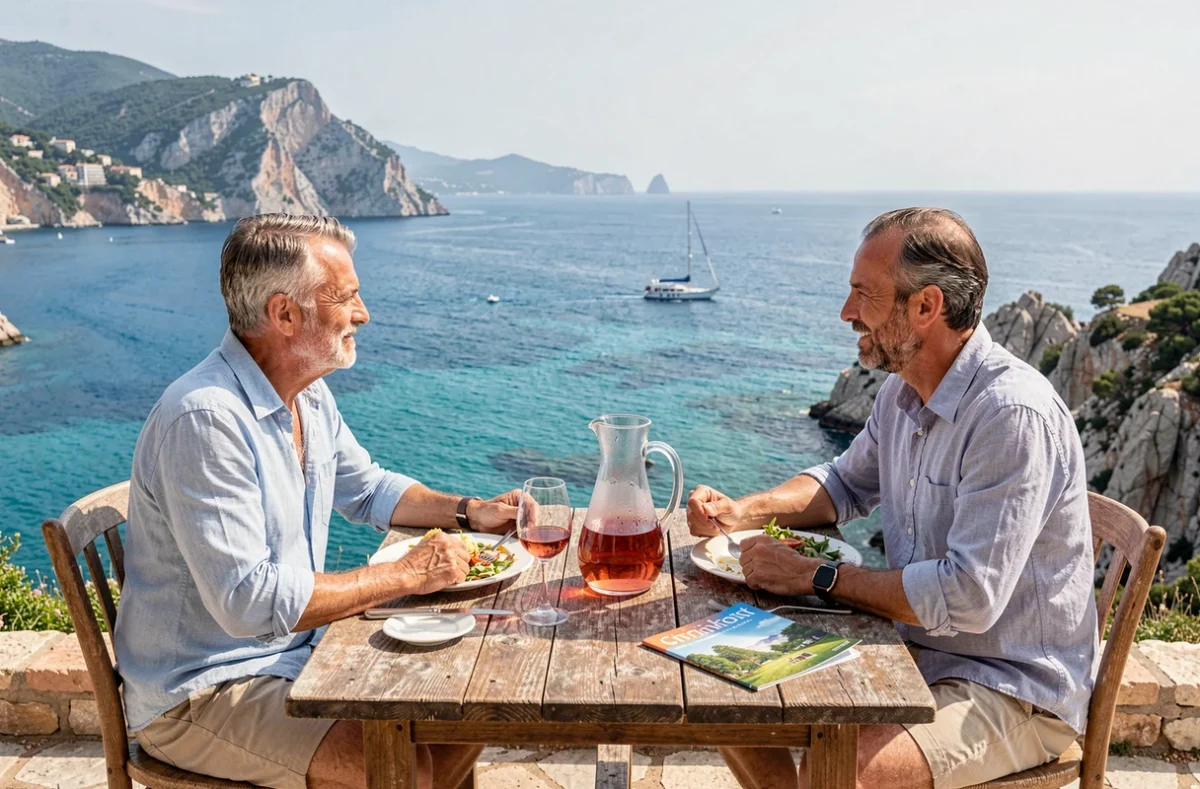
Mountain stay in summer: a resilient destination against the heat
The mountains are no longer reserved for winter holidays. The economic survey by Ad’Occ, reported by La Vie économique on September 15, 2026, confirms that mountain stays cope better with heatwaves than southern coastal destinations. The Alps, Pyrenees, and Massif Central offer a marked temperature differential as soon as one goes beyond the first foothills.
A stay at altitude is not limited to hiking. Regional natural parks structure a range of nature activities (via ferrata, swimming in lakes, wildlife observation) that suit both families and independent travelers. The Écrins National Park or the Auvergne Volcanoes Regional Natural Park illustrate this diversity.
Lakes and swimming at altitude: a concrete selection criterion
The lake often serves as the trigger for a summer mountain stay. Lake Annecy, Lake Bourget, high-altitude lakes in the Pyrenees: water quality, the presence of supervised swimming areas, and proximity to a campsite or family accommodation are the criteria to check before booking.
In the mountains, late booking is often easier than on the Mediterranean coast, which corresponds to the trend observed in recent years: travelers are booking later and staying for shorter periods, according to reports published in September 2026 by La Vie économique and Mes Infos.
Overcrowding of natural sites: quotas and mandatory reservations
Some French natural sites face tourist pressure that degrades the visitor experience and weakens ecosystems. The Verdon Gorge, the Calanques of Marseille, or the cliffs of Étretat experience peak attendance that makes visiting difficult during high season.
The response from local authorities is taking a concrete form: mandatory reservations and visitor quotas are now being considered as regulatory tools for French natural sites. These measures, already common for heavily visited foreign destinations, are gradually being applied across the national territory. The regulation of vacation rentals complements this system.
- Check if the targeted site requires prior reservation, especially for vehicle access (calanques, gorges, capes).
- Prefer morning slots or weekday visits to avoid queues and enjoy a calmer setting.
- Consult the official website of the natural park or municipality before departure, as rules can change from one season to another.
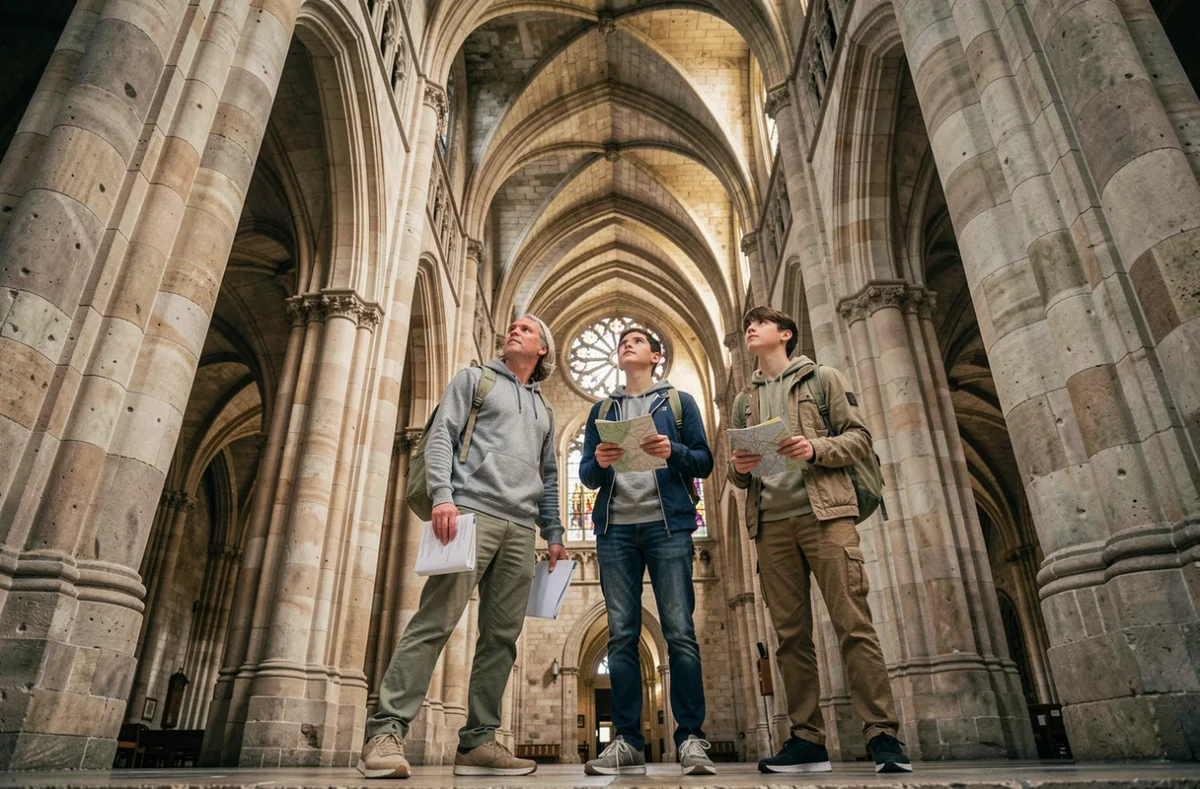
Traveling off-season: inter-season as a stay strategy in France
Shifting stays to the inter-season (May-June, September-October) addresses two simultaneous constraints: the excessive heat of July-August in the south and the saturation of accommodations during school periods.
In the inter-season, southern regions regain a pleasant climate. Provence, the Basque Country, or Occitanie then offer mild temperatures, less arid landscapes, and significantly higher accommodation availability. Camping and vacation rental prices drop considerably outside the summer period.
Nature activities and tourism in the late season
The late season is particularly suitable for outdoor activities that require physical effort: hiking on GR trails, cycling tourism, river kayaking. Regional natural parks remain accessible and walking conditions are often better than in the midst of a heatwave.
For families with school-aged children, the All Saints’ Day holidays present an exploitable inter-season window. The western regions (Vendée, Loire-Atlantique, Finistère) still offer pleasant days at the end of October, with natural and cultural heritage that can be visited without the summer crowds.
- Brittany in September combines sea and green landscapes without the oppressive heat of the South.
- The Massif Central in October offers autumn colors and rural accommodations at reduced prices.
- The Basque coast in June allows for enjoying surfing and local cuisine before the summer influx.
The map of holidays in France is redrawn each year under the influence of climate and local regulations. Northern and Western destinations are gaining summer appeal, the mountains are establishing themselves as a full summer alternative, and the inter-season is becoming a concrete lever for accessing southern regions under better conditions. The choice of period now weighs as heavily as the choice of region.