The adoption of eco-friendly materials does not always guarantee better durability in domestic projects. Connected tools promise increased precision but require a technical learning curve that is often underestimated. Some quick assemblies, reputed to be efficient, reveal unsuspected structural weaknesses after a few months of use. Between tried-and-true tips and sometimes bewildering innovations, choices are multiplying, complicating decision-making at every stage of a project.
What are the trends transforming DIY today?
It is impossible to ignore the wave that has been shaking up DIY for a few years now. Everything is accelerating: creativity is displayed without restraint, and the selection of materials is now based on demanding criteria. Consumers want noble and healthy materials, clean paints, and insulation designed to last. Suppliers are racing after labels, and certification has become the norm. Certified wood, mineral paints, plant fibers—the palette of possibilities has greatly expanded.
Tools are also entering a new dimension. Gone are the days of blind DIY: the laser measure replaces the hesitant tape measure, screwdrivers measure torque, and virtual modeling with 3D allows for anticipating every cut and every expense. Those who think that high-tech only concerns professionals are missing the boat. Now, even beginners are embracing these advancements to prepare their projects and budget without surprises. To delve deeper into these discoveries and innovations, the Blog du Bricoleur website details the strengths and pitfalls to avoid of each technology tested in the field.
Another evolution is the design aimed at saving energy. Insulation boosting, window replacement, discreet home automation touches—just typing a few words on a forum can uncover experiences and sharp advice. Tutorials are abundant and provide the necessary confidence to overcome technical challenges and accelerate learning.
The interior is no longer just a backdrop; it is a canvas to reinvent. Striking colors are invited in, natural materials combine with steel and glass, and every corner becomes an opportunity to express one’s personality. We no longer settle for repairs. We dare, we DIY differently, we assert our style with ingenuity.
Simple tips to start your DIY projects stress-free
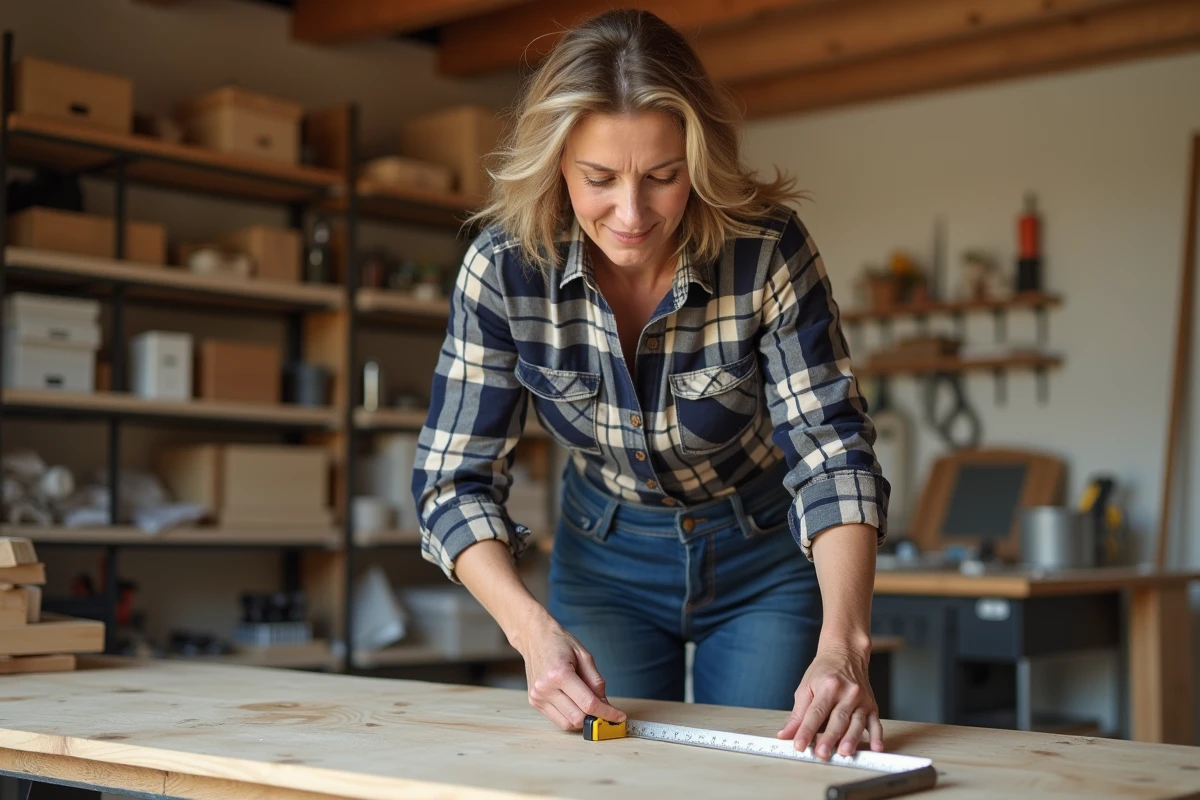
Advancing calmly is primarily about organization and method. Before pulling out your tools, give yourself a serious preparation session: list materials, plan the steps, check the condition of your tools. A clear workbench means fewer accidents and more clarity of mind. Taking the time to gather every missing piece proves worthwhile to avoid the frustration of an interrupted project due to a lack of screws or brushes.
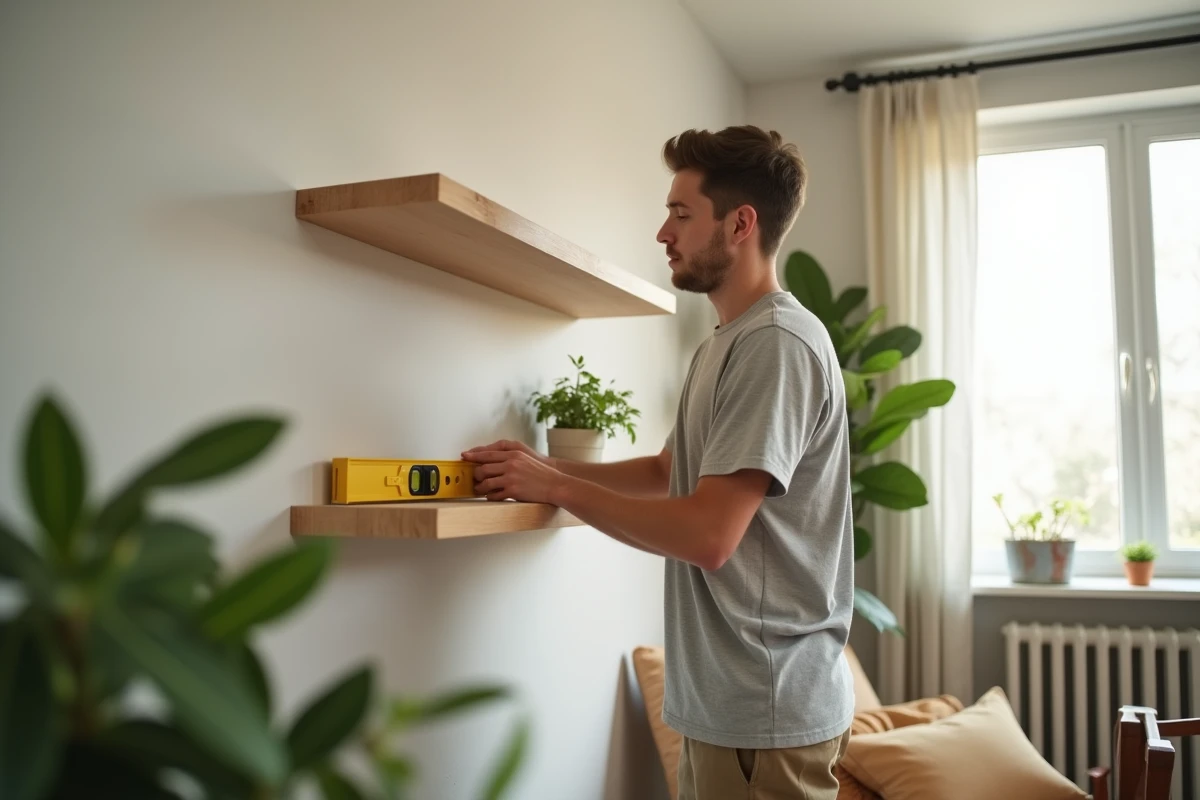
To start, nothing beats learning by example. Installing a shelf, painting a door, putting up a curtain rod—these are all mini-projects that teach patience, rigor, and efficiency. Before taking the plunge, relying on a precise guide or detailed articles allows you to understand at a glance the gestures and tips that make all the difference.
Here are some principles to keep in mind as you carry out your projects:
- Think safety first: appropriate gloves, goggles, and protective clothing make every action safer.
- Practice technical gestures on scraps or hidden surfaces to gain confidence.
- Note the difficulties or successes encountered; your experience is invaluable for the future.
Success also lies in timing. No one achieves a perfect result in a rush: allowing things to dry, checking measurements multiple times, and verifying levels precisely are also part of building the satisfaction of a polished work. Now, DIY is open to all those willing to invest, pushing aside the fear of failure by focusing on continuous learning and careful preparation.
Spotlight on innovative and easy-to-implement ideas at home
The desire to DIY comes with an explosion of tailor-made ideas. Transforming a nook into a removable office corner, creating a wall panel to organize screws and screwdrivers, embarking on a backlit headboard—every corner of the house becomes a playground for innovation. The watchword is to optimize, invent, and take ownership of the space.
It is impossible to overlook the trend of reuse. Every scrap of wood, an old pallet, a crate found at a market can be recycled and transformed. These materials find new life as a unique table, an extraordinary shelf, or practical storage solutions. Smart DIY is also the art of enhancing one’s interior without breaking the bank.
And in the garden, it’s all about functional creativity: elevated mini-gardens, benches cast in cellular concrete, composters that blend into the decor. These creations harmonize ecology, utility, and autonomy. For further exploration, a white paper is available, delivered methodically to detail each step without unnecessary jargon.
To fuel your inspiration, here are some projects to explore in your space or garden:
- Save space with smart and modular designs
- Create unique objects with reclaimed materials for a result that truly reflects you
- Develop responsible solutions, effective both indoors and outdoors
With each attempt, every new project hones skills and expands possibilities. The famous white paper offers a wealth of simple ideas to apply, from the most basic gesture to the most ambitious realization.
The next time you come across a pallet or get the idea to transform your interior, remember: every plank, every tool opens a field of opportunities to shape without limits. It’s up to DIYers, whether novices or seasoned, to bring to life what will become the unique imprint of their home.